
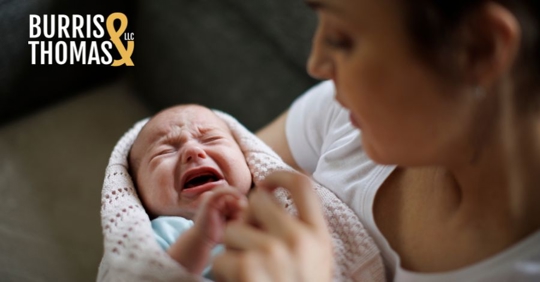
Welcoming a new baby into the world should be a time of pure joy. But as a new parent in Nevada, your instincts are always on high alert. If you notice your newborn exhibiting unusual, repetitive movements, your heart might skip a beat.
Recognizing seizures in an infant can be incredibly difficult, and realizing they might be tied to a birth injury is heartbreaking. Please know that you are not alone, you are not to blame, and there are answers available to you.
Recognizing the Signs of Infant Seizures
Unlike adult seizures, infant seizures are rarely dramatic. They don't always involve full-body shaking. Instead, they are often subtle and easy to mistake for normal newborn reflexes.
Keep a close eye out for these common signs:
Subtle Movements: Repetitive blinking, smacking lips, sucking, or a tongue that keeps thrusting outward.
Bicycling Motions: Rhythmic paddling of the legs or flailing of the arms.
Staring Spells: A fixed, unblinking gaze where your baby seems entirely unresponsive to your voice or touch.
Apnea: Sudden changes in breathing patterns, or brief pauses where they hold their breath.
Tonic Posturing: Sudden stiffening of the body or a single limb turning to one side.
If you notice any of these signs, try to record a quick video on your phone to show your pediatrician. This can be invaluable for an accurate medical diagnosis.
The Link Between Seizures and Birth Injuries
Infant seizures are a symptom, not a standalone disease. They occur because of abnormal electrical activity in the brain. Frequently, this abnormal activity is triggered by trauma sustained during labor and delivery.
Some of the most common birth injuries that lead to seizures include:
Oxygen Deprivation (Asphyxia): If a baby is deprived of oxygen during delivery—often due to a prolapsed umbilical cord or prolonged labor—it can cause Hypoxic-Ischemic Encephalopathy (HIE), a primary cause of neonatal seizures.
Physical Head Trauma: Excessive force from forceps or vacuum extractors can cause brain bruising, swelling, or internal bleeding.
Untreated Infections: Failure by medical staff to diagnose and treat maternal infections (like Group B Strep) can lead to meningitis or encephalitis in the baby, triggering seizures.
When Medical Malpractice is Involved
Hospital staff are trained to monitor fetal heart rates and intervene the moment a baby shows signs of distress. When a doctor, nurse, or hospital fails to act quickly, or uses improper delivery techniques, the resulting brain injury is not just an unfortunate accident—it may be medical malpractice.
As a parent, you trust your medical team with your child's life. Finding out that their negligence might have caused your baby’s seizures brings up a mix of grief and anger. It is entirely valid to feel this way, and you have every right to demand accountability.
You Don’t Have to Fight This Alone
Managing your baby’s medical needs is exhausting, and navigating Nevada’s legal system on top of that can feel impossible. But securing your child’s future financial and medical stability is crucial. At Burris & Thomas, LLC, we are here to shoulder that burden for you. We provide compassionate, assertive legal representation to help Nevada families get the justice and compensation they deserve. Let us fight for your family while you focus on healing.
If you suspect your child’s seizures were caused by medical negligence, contact Burris & Thomas, LLC today at (702) 529-3101 for a free, confidential consultation.